




 شارك
شارك

 الرئيسية
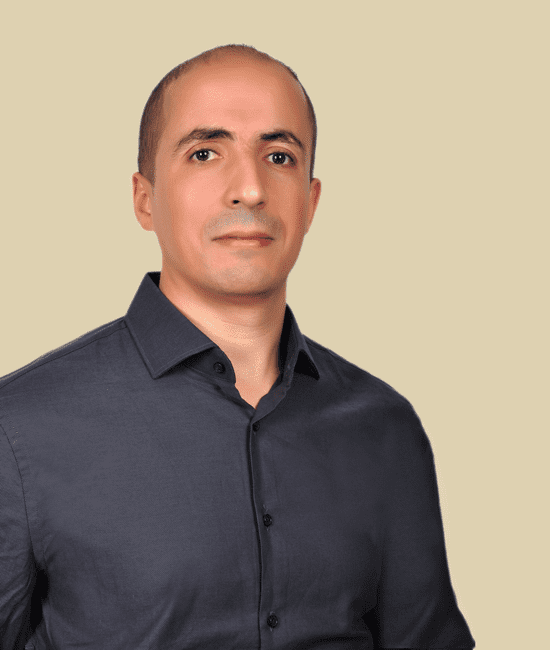
Dr. Weiwei's innovation involves developing integrated computational approaches that bridge molecular biophysics, theoretical modeling, and translational targets in nucleic acid-based therapies, gene delivery, and vaccine design.
Driven by the need to understand the heterogeneous dynamic configurations of RNA (which govern its function and drug recognition), his work addresses the limitations of both experimental methods (often relying on the average of multiple states) and costly traditional simulations.
These data-driven, iterative approaches optimize entire RNA assemblies, enabling accurate characterization of dynamic structures—including the SARS-CoV-2 pseudo-frame-shift node—which supports antiviral drug discovery.
He also developed the widely used HB-CUFIX RNA strength field, which improves simulation accuracy across various nucleic acids and enables the design of synthetic RNA modifications.
His innovations include antiviral targeting, flexible structural modeling of RNA, and phototransformable RNA modifications, developed in collaboration with leading RNA institutes.
His future work focuses on engineering modified RNA, developing AI-guided optimization techniques, integrating orthogonal experimental constraints, and establishing a research program that combines simulation, biophysics, and machine learning to advance nucleic acid-based therapies and biomolecular engineering.

 1 دقيقة